Inflation Report Due as Fed Weighs Its Next Move
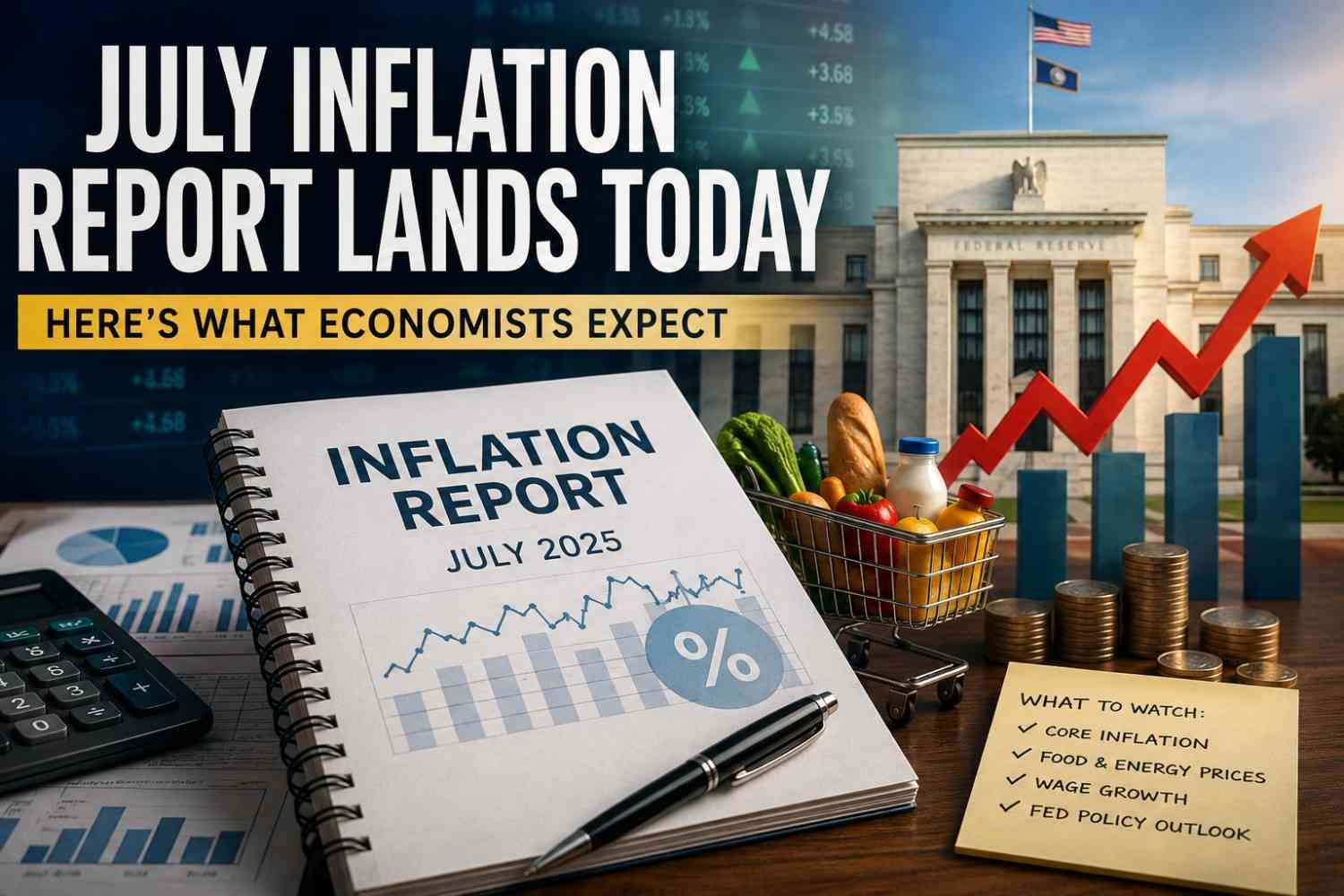
The Bureau of Labor Statistics is set to release its Consumer Price Index report for July this morning, offering the clearest snapshot yet of how rising energy costs and lingering price pressures are affecting American households. Economists surveyed ahead of the release generally expect the annual inflation rate to come in a touch above 3%, a modest acceleration from June’s surprisingly soft reading.
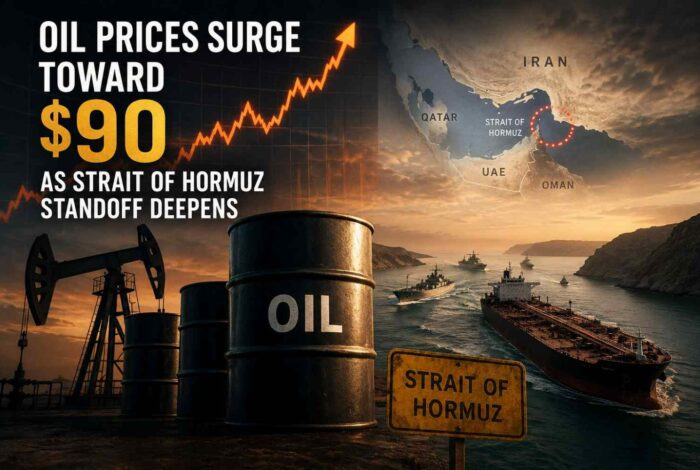
The report carries extra weight this month. June’s CPI data showed an unexpected monthly decline, driven largely by a sharp drop in energy prices — the biggest one-month slide since the early days of the pandemic. But that relief looks unlikely to repeat itself. Oil prices have risen substantially since then as the conflict over the Strait of Hormuz has dragged on, and most forecasters expect that increase to show up squarely in July’s numbers.
What the Numbers Are Expected to Show
Consensus estimates point to headline inflation rising modestly on a monthly basis, with the annual rate landing somewhere in the mid-3% range. Core inflation, which strips out volatile food and energy costs and is closely watched by the Fed as a gauge of underlying price trends, is expected to hold relatively steady, ticking up slightly on a monthly basis while easing a touch on a year-over-year basis due to how the data compares against last summer’s readings.
Still, several economists caution that “core” stability may mask growing strain elsewhere. Grocery prices could face renewed pressure later in the year, in part because a significant share of the world’s fertilizer supply originates in the Persian Gulf region — an area directly affected by the ongoing conflict. Meanwhile, wage growth has been running below the pace of inflation in recent months, a combination that has fueled talk among some economists of a mild “stagflation” scenario, in which growth stagnates even as prices keep climbing.
The Fed’s Difficult Balancing Act
The timing of the report matters enormously for the Federal Reserve, which has been walking a tightrope between controlling inflation and avoiding damage to an already fragile labor market. Some regional Fed officials have suggested that further rate increases may be necessary if inflation proves stickier than expected, a notable shift after a period in which markets had largely priced in the possibility of rate cuts.
A quarter-point increase, several officials have noted, likely wouldn’t move the needle dramatically on its own — but a pattern of continued increases could signal a more aggressive stance aimed at reining in price growth tied to the energy shock. Markets will be parsing today’s data not just for the headline number, but for any signs of how deeply the oil price spike is feeding into broader costs across the economy.
How This Affects Everyday Americans
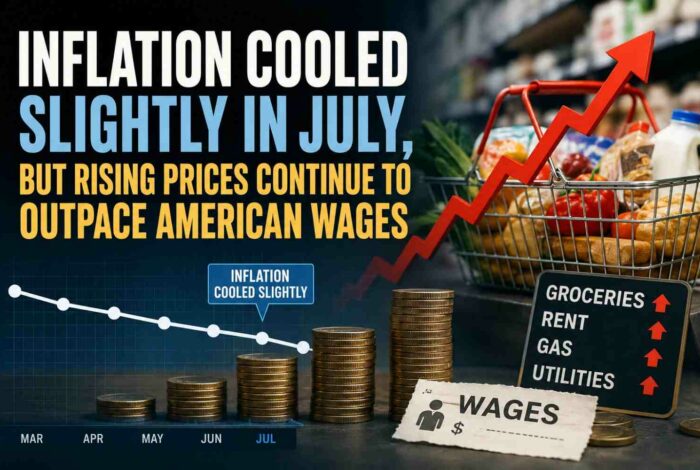
For consumers, the practical takeaway is straightforward: prices for everyday goods, from groceries to gasoline to household services, are likely to keep climbing at a pace that outstrips wage growth for many workers. That squeeze has been a persistent theme throughout the year, and today’s report will help clarify whether conditions are stabilizing or getting worse.
Financial markets, including stocks, bonds, and even cryptocurrency, are expected to react quickly once the data is released at 8:30 a.m. Eastern. A hotter-than-expected reading could send Treasury yields higher and weigh on stocks, while a softer number might offer temporary relief to markets that have been on edge for weeks over the economic fallout from the Middle East conflict.
Ultimately, today’s inflation report is as much a referendum on the broader energy situation as it is a standalone economic indicator. As long as the Strait of Hormuz remains a flashpoint, economists say, inflation data will likely continue reflecting that uncertainty in the months ahead — making today’s numbers just one data point in what could be a longer, bumpier road back to price stability. Next Article