Global Oil Markets Rattled as Hormuz Talks Stall
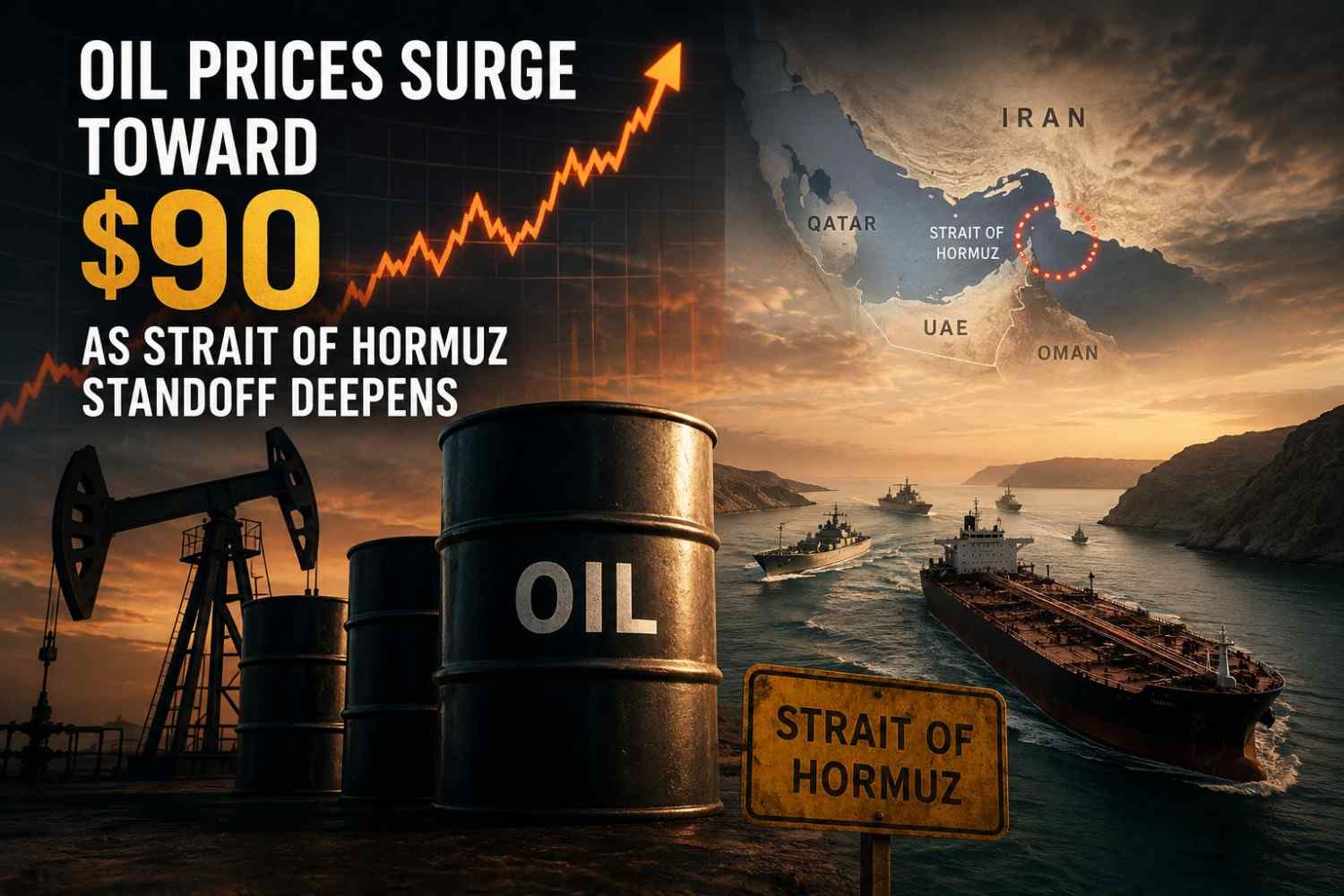
Crude oil prices pushed toward the $90-a-barrel mark this week, extending a string of gains as traders grew increasingly doubtful that Washington and Tehran can reach a deal to fully reopen the Strait of Hormuz, one of the world’s most critical energy corridors. The latest run-up follows a fresh round of attacks on commercial vessels in the region, further rattling a market already on edge after nearly six months of conflict.
Brent crude, the international benchmark, has been trading close to its highest levels since the fighting between the United States, Israel, and Iran began in late February. West Texas Intermediate, the U.S. benchmark, has climbed alongside it, with both grades posting gains for several consecutive sessions. For American drivers and businesses alike, the sustained rise in crude prices is beginning to translate into higher costs at the pump and across supply chains that depend on affordable fuel.
Why the Strait Still Isn’t Open
The Strait of Hormuz, a narrow waterway between Iran and Oman, normally carries roughly a fifth of the world’s oil supply. Since the outbreak of hostilities, traffic through the strait has slowed to a trickle — ship-tracking data shows only a handful of vessels crossing on some days, compared with well over a hundred before the conflict began.
A U.S.-Iran memorandum of understanding signed in June was supposed to pave the way toward restoring normal shipping, but the agreement unraveled almost immediately as both sides traded blame over safe passage routes. Iranian officials have insisted that Washington must lift its naval blockade before Tehran will allow unrestricted movement through the strait, while also demanding compensation for the toll the conflict has taken. The Trump administration, for its part, has floated its own new conditions, including reparations tied to lives lost during the fighting, further complicating an already fragile diplomatic track.
Talks between Iran and Oman over alternative shipping arrangements have shown some signs of movement, and officials from other regional players have expressed cautious optimism that a workable arrangement could still emerge. But with each side hardening its position publicly, traders say confidence in a near-term resolution has clearly eroded.
Market Reaction and Economic Ripple Effects
The uncertainty has weighed heavily on financial markets well beyond the energy sector. Equity indexes have wobbled as investors try to gauge how long elevated oil prices might persist and what that could mean for inflation, corporate earnings, and household budgets. The U.S. Energy Information Administration recently forecast that Middle East oil production is unlikely to return to pre-conflict levels until early next year, projecting that Brent crude could average close to $87 a barrel over the course of 2026.
Energy officials note that alternate flows — including U.S. military-escorted convoys and pipeline exports that bypass the strait entirely — have helped cushion the blow, with total oil flows out of the Gulf region still averaging around 15 million barrels a day. Even so, market analysts caution that any further escalation, including additional attacks on tankers, could send prices sharply higher again.
Meanwhile, U.S. Strategic Petroleum Reserve stockpiles have fallen to their lowest levels in more than four decades, limiting the government’s ability to intervene directly should prices spike further. The administration has also extended a waiver on the Jones Act, a decades-old shipping law, in an effort to ease the movement of energy resources between U.S. ports.
What It Means for American Consumers
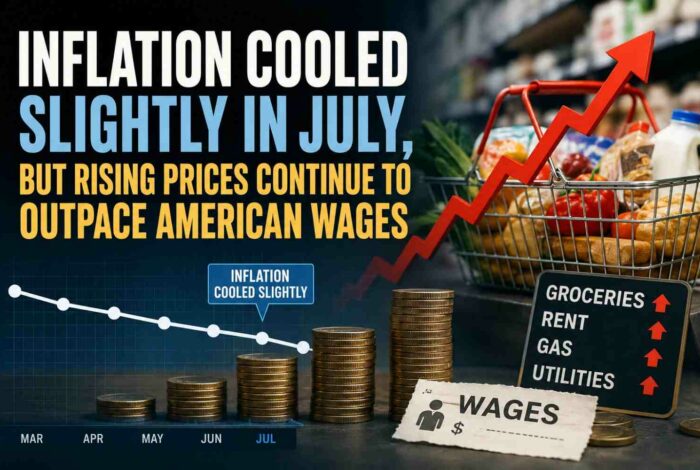
For everyday Americans, the practical impact of the standoff is showing up gradually at gas stations and in shipping costs tied to imported goods. Economists warn that if the elevated price environment persists through the fall, it could complicate the Federal Reserve’s efforts to bring inflation back toward its target, especially with a closely watched inflation report due out this week.
Industry analysts say the situation remains fluid, with diplomatic channels between Iran, Oman, and the U.S. still technically active even as public rhetoric hardens. Whether a durable agreement emerges in the coming weeks — or whether the standoff drags on for months — will likely shape not just gas prices, but broader economic sentiment heading into the fall.
For now, the message from traders is one of caution: until vessels are moving reliably through Hormuz again, the risk premium baked into oil prices isn’t going anywhere. Next Article