Standoff at Sea Deepens as Washington and Tehran Trade Blows Over Hormuz
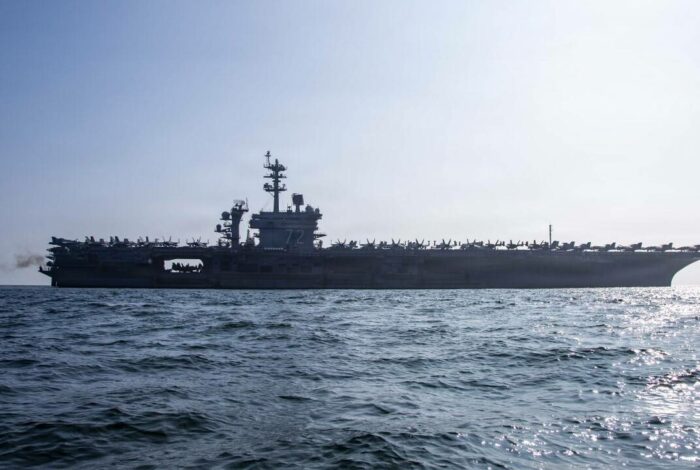
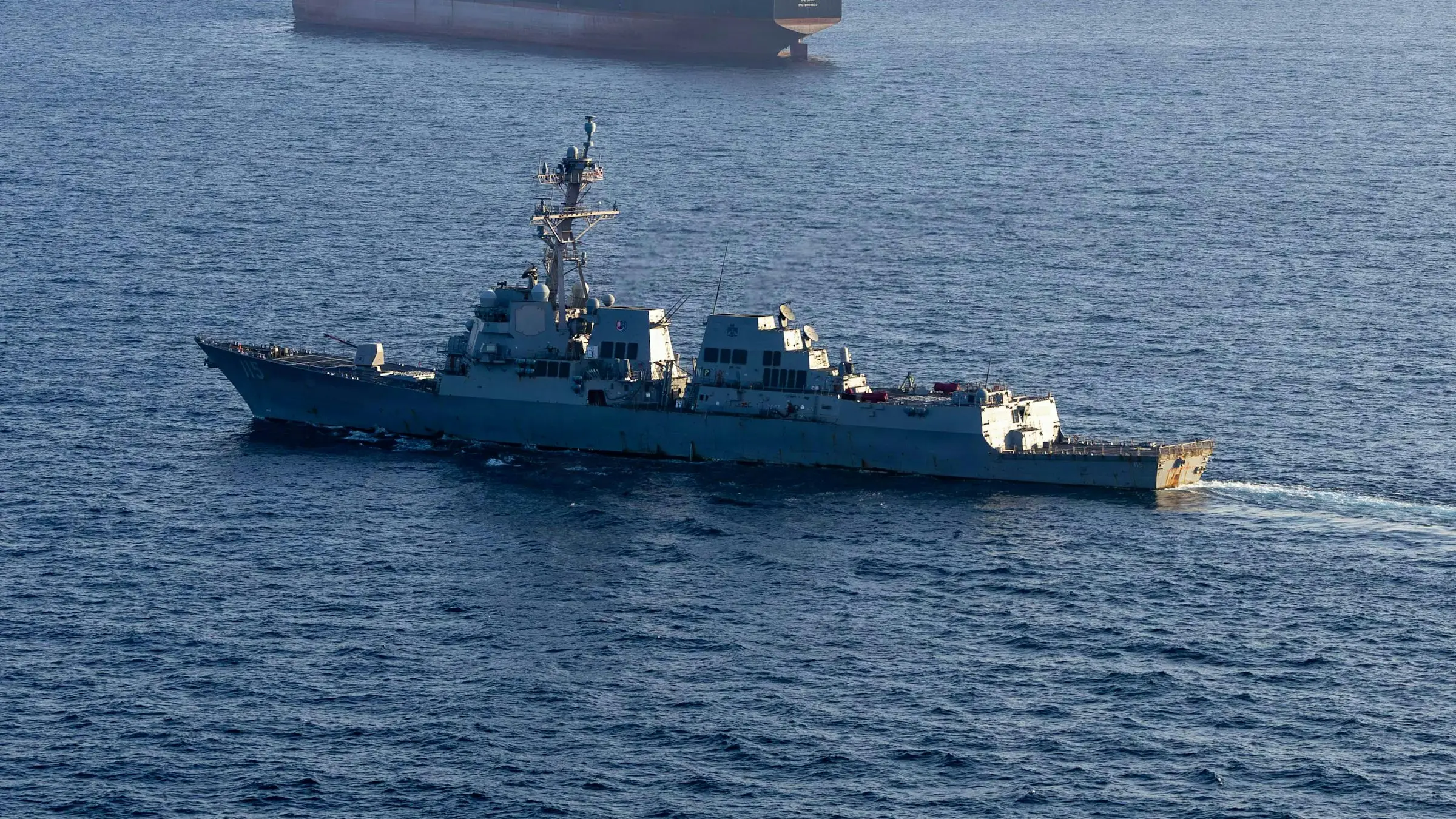
The confrontation between the United States and Iran took another tense turn this week after US Central Command confirmed its forces fired on and disabled a vessel accused of attempting to slip through the naval blockade in the Gulf of Oman. The incident marks the latest flashpoint in a monthslong standoff centered on the Strait of Hormuz, the narrow waterway that carries roughly a fifth of the world’s oil supply.
According to CENTCOM, two missiles were used to stop the ship, which officials described as attempting to run cargo in defiance of the blockade currently in place around the strait. The move came just hours after an Iranian official reiterated that Tehran has no intention of reopening the vital channel until a specific set of conditions is satisfied, though officials there have stopped short of spelling out exactly what those conditions require.
A Conflict That Refuses to Cool
The current escalation traces back to earlier this year, when the United States and Israel carried out a wave of joint strikes against Iranian military, government, and infrastructure sites. Since then, both sides have described themselves as open to a negotiated resolution, and diplomats from Washington and Tehran began talks over the summer built around a memorandum of understanding both governments had signed. Yet the fighting has continued in fits and starts even as the diplomatic track stays technically alive.
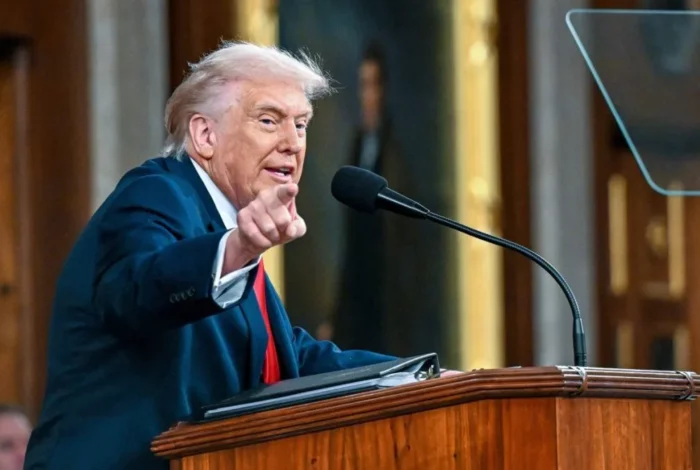
President Donald Trump addressed the situation directly this week, telling reporters the overall picture is “absolutely fine” despite the continued exchanges of fire. That characterization sits uneasily alongside the events unfolding at sea, where the Strait of Hormuz has effectively become the central battleground of the conflict, even as ground operations elsewhere have quieted.
Separately, Houthi forces aligned with Iran claimed responsibility for a strike on a vessel they said was carrying military equipment bound for Saudi Arabia, underscoring how the conflict has drawn in a widening circle of regional actors beyond the two primary combatants.
Why the Strait Matters So Much
The Strait of Hormuz sits between Iran and Oman and is the only sea route out of the Persian Gulf, making it one of the most strategically significant chokepoints in global trade. A meaningful share of the world’s crude oil and liquefied natural gas exports pass through the strait on tankers headed to markets across Asia, Europe, and North America. Any prolonged closure sends immediate ripples through energy markets, and this episode has been no exception.
Crude prices have climbed steadily since the blockade took hold, with US benchmark crude recently settling near $83 a barrel, a level not seen in months. Analysts tracking the situation say the uncertainty over how long the standoff will last, combined with the lack of a finalized diplomatic resolution, has made it difficult for traders to price in any near-term relief. There was a brief moment of optimism after Pakistan signaled it saw room for some kind of arrangement over the strait, but that cautious hope has not yet translated into a breakthrough.
Diplomatic Track Still Alive, but Fragile
Despite the continued military exchanges, both governments have kept diplomatic channels open. The memorandum of understanding signed in June was billed at the time as a framework for winding the conflict down, and negotiators have continued meeting periodically since. But the persistence of strikes — including this week’s missile action against the blockade-running ship — suggests the two sides remain far from a durable ceasefire, let alone a comprehensive settlement.
Inside the United States, the conflict has also stirred domestic political friction. Protests have taken place in cities including Chicago and New York since the initial wave of strikes, with demonstrators split between those opposing continued military action and others voicing support for the administration’s approach. That division reflects broader uncertainty among the American public about how long the confrontation might last and what an eventual resolution could look like.
What Comes Next
For now, the situation remains fluid. Iran has given no firm timetable for lifting the blockade, and US officials have signaled they will continue enforcing restrictions on vessels attempting to bypass it. Energy analysts are watching closely for any signs of a diplomatic opening, particularly given the economic stakes tied to sustained high oil prices. Until a clearer resolution emerges, the Strait of Hormuz is likely to remain the most closely watched flashpoint in the broader US-Iran conflict, with each new incident carrying the potential to shift oil markets and reshape the diplomatic calculus in Washington and Tehran alike. Next Article