Google used its annual hardware showcase this week to make clear where its smartphone strategy is headed: less about flashy new designs, more about embedding artificial intelligence into nearly every corner of the user experience.
At a New York event Wednesday evening hosted by comedian Trevor Noah, Google unveiled its Pixel 11 lineup — including the Pixel 11, Pixel 11 Pro, Pixel 11 Pro XL, and a refreshed Pixel 11 Pro Fold — alongside the Pixel Watch 5, updated Pixel Buds Pro 2 and Pixel Buds 2a, and a brand-new item called Pixel Tag, Google’s answer to Apple’s popular AirTag tracking device.
Gemini Takes the Spotlight
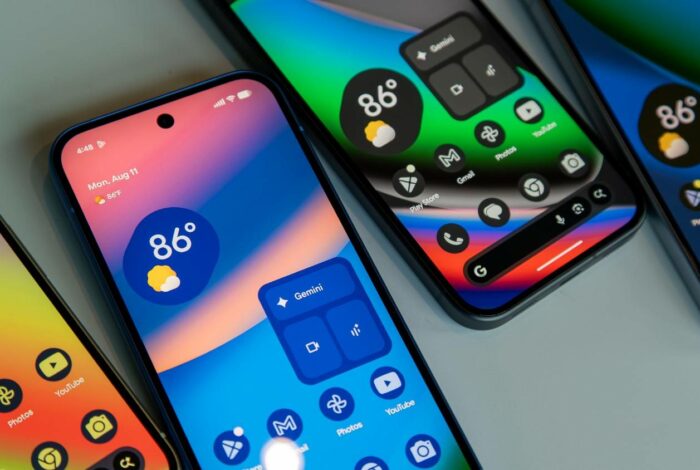
Rather than centering the launch on dramatic hardware redesigns, Google devoted much of its presentation to showcasing how its Gemini AI assistant now works proactively across the operating system, rather than functioning as a standalone chatbot users have to actively open. The devices run on Google’s new Tensor G6 chip, which the company says powers a faster, more capable version of Gemini Nano for on-device AI processing.
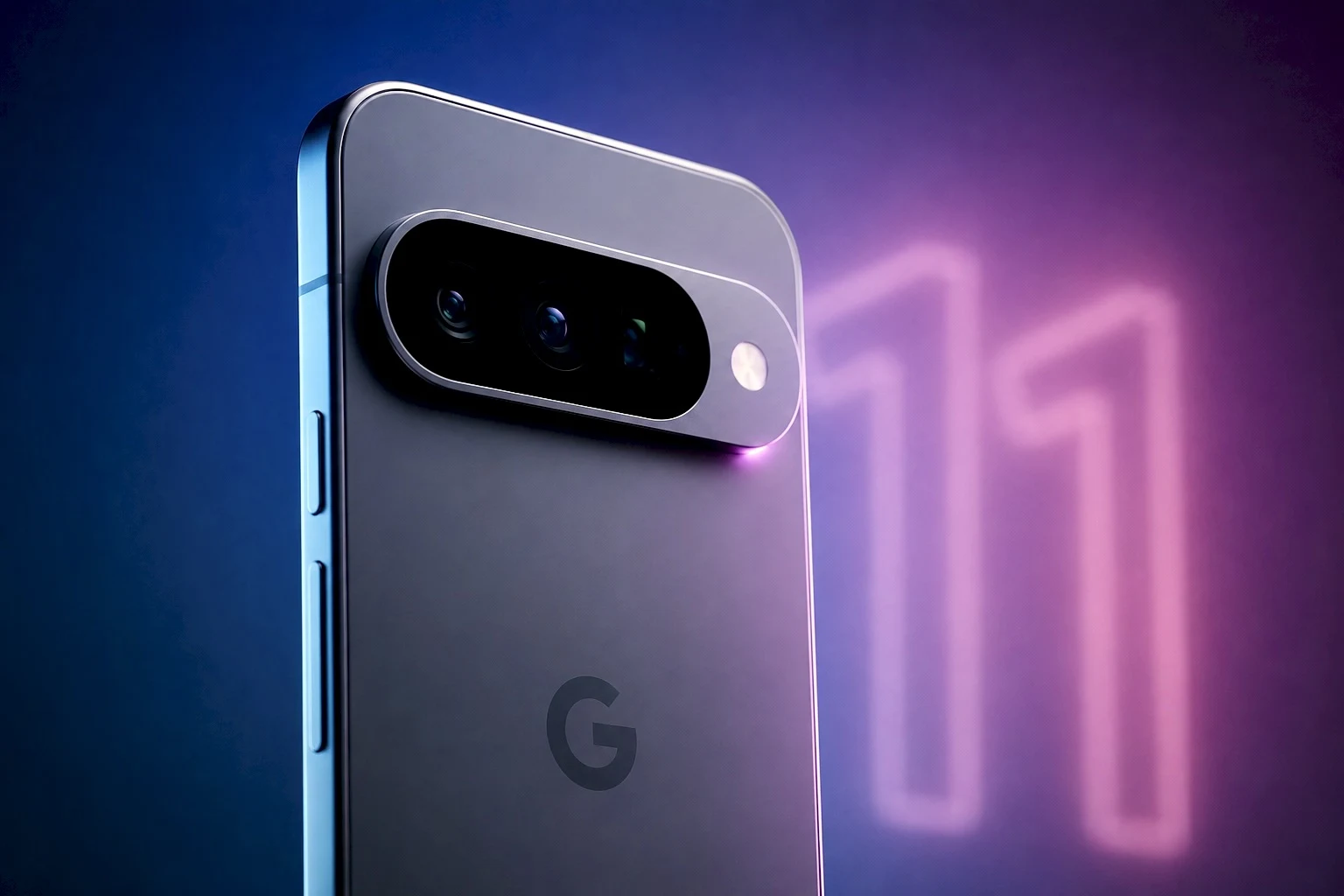
Among the most talked-about additions is a feature called HiLight, built into the camera flash housing on the Pro-tier phones. When the phone is face-down, LED lighting glows to indicate that Gemini is responding to a voice prompt, and users can assign custom colors that light up when specific contacts call. Google says future updates will extend HiLight to cover message notifications as well.
The company also demonstrated Gemini Omni, a newer AI model first previewed at Google’s developer conference earlier this year, showing how it can be used for tasks like real-time translation and contextual assistance while traveling. In one live demo, Google showed the feature helping a user find a local match while abroad using conversational AI search.
On the accessibility front, Google expanded its Live Transcribe feature to support American Sign Language, allowing the Pixel Camera to translate sign language into text in real time — a feature the company positioned as part of a broader push to make its AI tools useful beyond typical productivity tasks.
New Hardware, Higher Prices
While AI dominated the presentation, Google did introduce meaningful hardware updates. The standard Pixel 11 features a 6.3-inch display, a camera bar that Google says is 40% thinner than previous generations, and an upgraded 48-megapixel wide camera sensor. The Pixel 11 Pro Fold, meanwhile, was described by Google as its most refined foldable device to date, coming in roughly 10% lighter and about a millimeter thinner than its predecessor.
Pricing rose across several models this year, which Google and industry analysts have attributed in part to increasing global chip costs. The Pixel 11 Pro starts at $1,099, matching last year’s price for the equivalent storage tier, while the Pixel 11 Pro XL now starts at $1,299 — a jump from the $1,199 starting price of its predecessor.
The Pixel Watch 5 also received a substantial health-focused upgrade, adding features such as breathing emergency alerts and monthly trend summaries for blood pressure and insulin resistance. Google emphasized that these health metrics are based on 30-day rolling summaries rather than real-time readings, with Gemini processing the underlying data to surface longer-term patterns rather than instant snapshots.
A Crowded, AI-Driven Market
The Pixel 11 launch arrives at a pivotal moment in the smartphone industry, with AI capability increasingly serving as the primary battleground between major manufacturers. Google’s event came just weeks after Samsung unveiled its Galaxy Z Fold 8 and Flip 8 lineup, and ahead of an expected Apple hardware event next month, setting up a compressed, high-stakes stretch for the industry’s biggest players heading into the holiday shopping season.
Google also used the event to tease “Gemini for Home,” a forthcoming update aimed at replacing the aging Google Assistant across the company’s smart speakers and displays, with an early access rollout expected in the coming months.
What It Means for Consumers
For everyday buyers, the Pixel 11 launch signals that Google views AI-driven software features — rather than dramatic year-over-year hardware leaps — as its primary differentiator going forward. Whether that strategy pays off will likely hinge on how naturally these AI tools integrate into daily use, and whether rivals like Apple and Samsung can match Gemini’s growing footprint with their own competing AI assistants in the months ahead.
The Pixel 11 lineup, along with the Pixel Watch 5 and Pixel Buds updates, is expected to be available for purchase in the coming weeks, with pricing details now confirmed across the full product range. Next Article