A Rare Celestial Spectacle Crosses the Globe
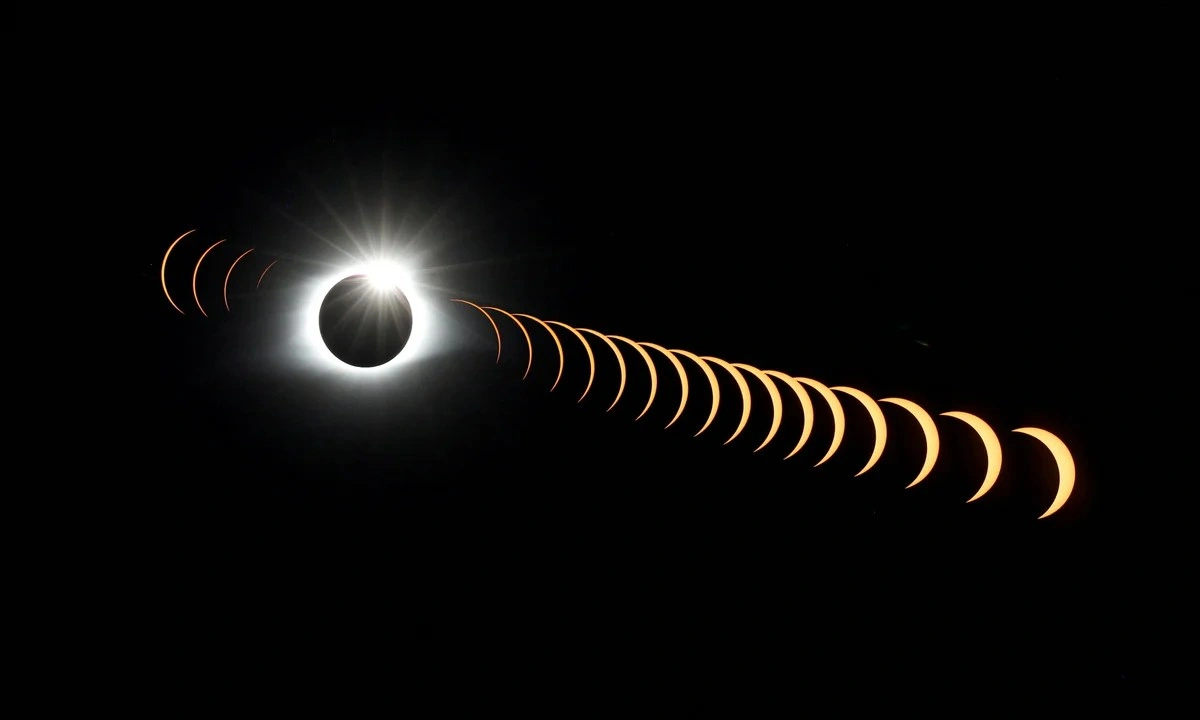
Skywatchers around the world turned their eyes skyward today as a total solar eclipse swept across a broad stretch of the Northern Hemisphere, offering one of the most anticipated astronomical events of the year. The path of totality began in the remote reaches of northern Siberia near the North Pole, traveled south across the Arctic and North Atlantic oceans, and ultimately crossed over eastern Greenland, western Iceland, and northern Spain before ending near sunset over the Iberian Peninsula.
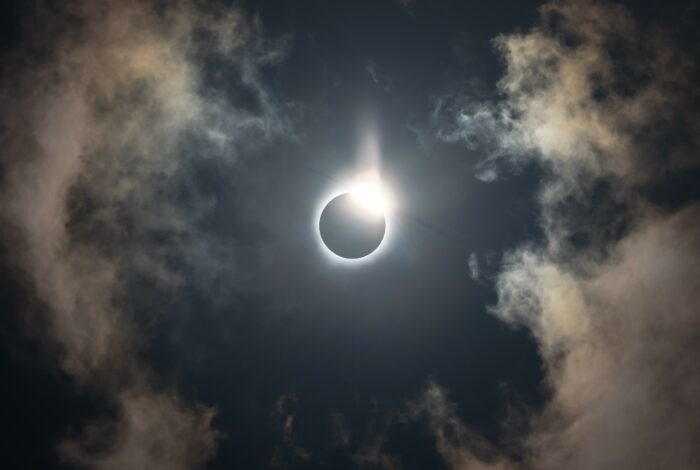
For those fortunate enough to be standing within the narrow band of totality — a corridor roughly 180 miles wide at its broadest point — the experience was dramatic. Skies darkened suddenly, temperatures dropped, and planets including Venus, Jupiter, and Mercury became visible in the middle of the day as the Moon fully blocked the Sun’s disk. In parts of Iceland and Greenland, totality lasted longer than two minutes, among the more generous windows skywatchers can expect from any solar eclipse.
A Golden-Hour Eclipse Over Spain
Spain offered a particularly striking viewing experience this time around, with the eclipse arriving in the hours just before sunset. That timing gave the event a “golden hour” quality, with the Sun sitting low on the horizon as it disappeared behind the Moon. Major cities including Madrid and Barcelona experienced a deep partial eclipse, with roughly 99% of the Sun obscured — though astronomers were quick to note that even a 99% partial eclipse looks and feels dramatically different from full totality, since the sky doesn’t darken nearly as much and eclipse glasses must remain on throughout.
Crowds gathered at points along the path of totality in northern Spain, where clear summer skies offered favorable viewing conditions for those willing to travel outside major urban centers to catch the full effect.
What Americans and Canadians Could See
While the path of totality never touched North America this time, the eclipse was still visible as a partial event across much of the eastern United States and Canada. The deepest partial eclipse in North America occurred in Atlantic Canada, where parts of Newfoundland and Labrador saw more than half of the Sun covered during the late afternoon and early evening hours. New Brunswick, Nova Scotia, and Prince Edward Island also experienced a substantial partial eclipse.
Farther south and west, the effect grew progressively smaller. Observers in Quebec and Maine still noticed a visible bite taken out of the Sun, while those farther inland saw a more modest event. As with any partial eclipse, experts stressed that proper eclipse glasses or certified solar viewers were essential at all times for anyone attempting to watch, since even a sliver of exposed sunlight can cause serious eye damage.
Part of a Busy Stretch for Skywatchers
Today’s eclipse arrives amid an unusually active period for astronomy enthusiasts. The Perseid meteor shower, widely regarded as the best meteor display of the year, is also reaching its peak this week, giving skywatchers a second reason to look up after dark. NASA and other space agencies have encouraged the public to take advantage of the celestial double feature, weather permitting.
Because this eclipse occurred just a couple of days after the Moon’s closest approach to Earth in its orbit, it appeared slightly larger than average in the sky, contributing to its longer-than-typical duration of totality. Scientists tracking the eclipse noted that this rare alignment — sometimes described as occurring near lunar perigee — is part of what made this particular event stand out among recent eclipses.
Looking Ahead
For those who missed out on totality this time, the wait for the next opportunity won’t be especially long. Astronomers note that the next total solar eclipse is expected to cross Spain, northern Africa, and parts of the Middle East in the summer of 2027, offering another chance for eclipse chasers to plan ahead. In the meantime, today’s event serves as a reminder of just how precisely predictable — and endlessly captivating — these celestial alignments remain, drawing crowds of scientists and casual observers alike to witness a phenomenon that briefly turns day into a strange, fleeting twilight. Next Article