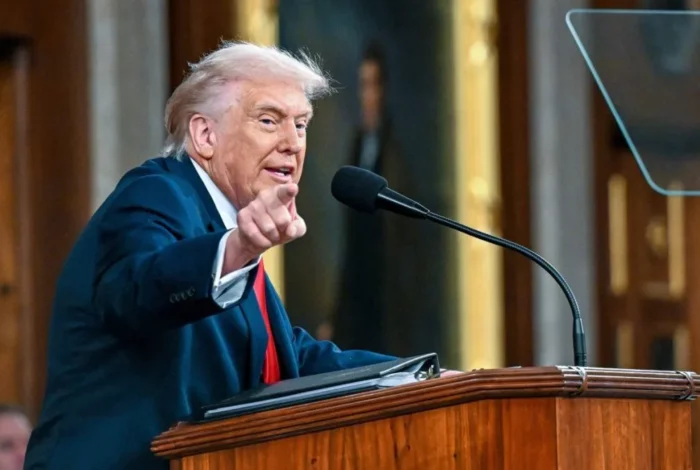
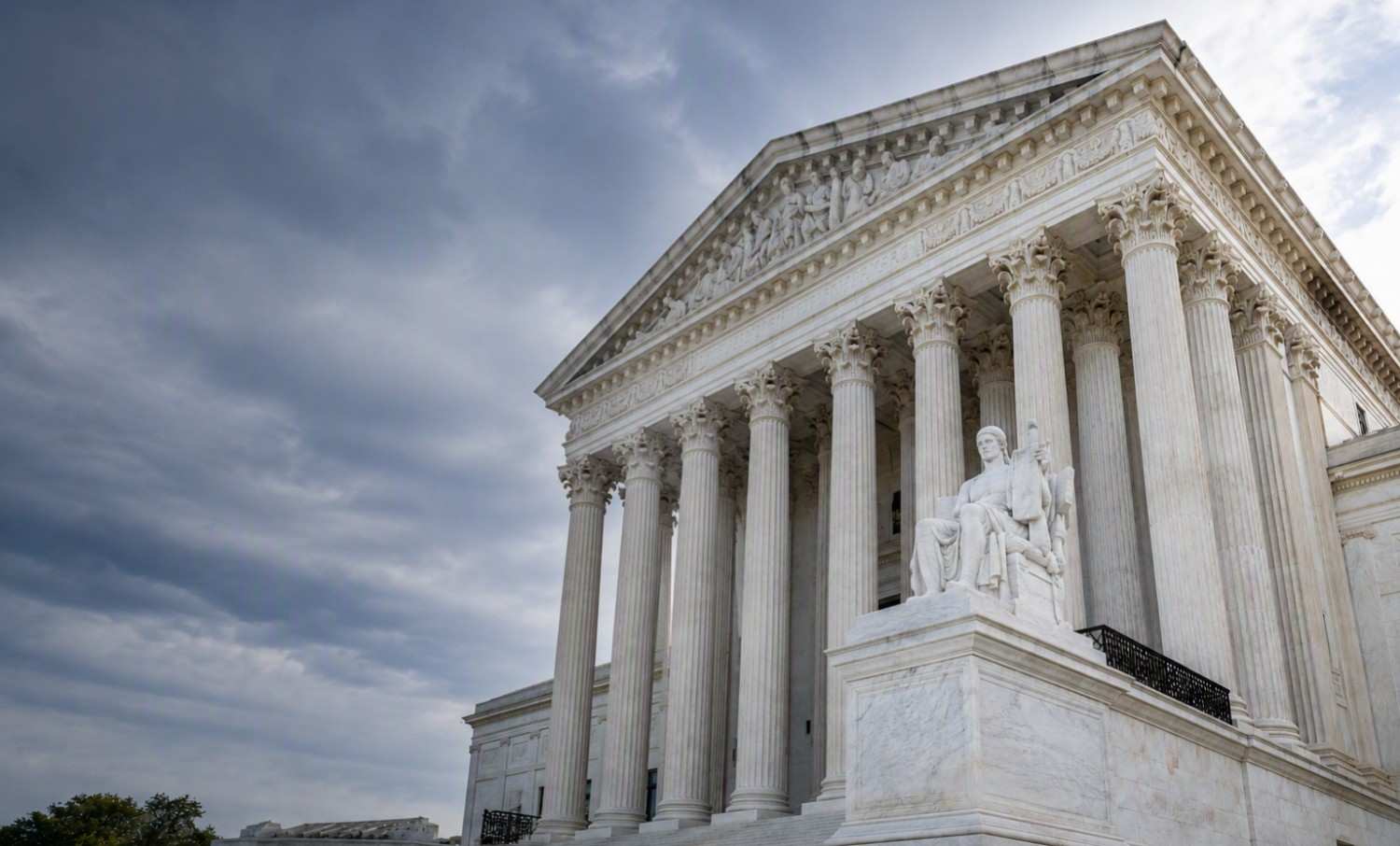
The Supreme Court handed the Trump administration one of its sharpest defeats of the year this week, ruling that the Constitution guarantees citizenship to virtually every child born on American soil — no exceptions for the immigration status of their parents.
The 6-3 decision, written by Chief Justice John Roberts, shuts the door on an executive order Trump signed on his very first day back in office. That order tried to deny automatic citizenship to babies born in the US to parents who were either undocumented or here on temporary visas. It was controversial from the start, and every single lower court that reviewed it said more or less the same thing: it doesn’t hold up against the 14th Amendment.
Roberts leaned heavily on history in his opinion, tracing the citizenship guarantee back to a case most Americans have never heard of — Wong Kim Ark. Back in 1898, a man born in San Francisco to Chinese immigrant parents was denied re-entry into the country after a trip abroad, on the grounds that he wasn’t really a citizen. The Court disagreed with the government then, and it’s leaning on that same logic now, more than a century later.
What makes this case a little unusual is the path it took to get here. The justices didn’t just rule on whether the order itself was legal — they’d already dealt with a related, thornier question a few months earlier, deciding 6-3 that lower courts generally can’t issue nationwide injunctions blocking a policy everywhere at once. That left the door open for Trump’s order to remain in legal limbo for a while, until a federal judge in New Hampshire stepped in with a narrower injunction protecting a specific group of newborns. That case eventually made its way to the Supreme Court, and this week’s ruling settles it for good.
For families around the country, especially immigrant communities that had been watching this case nervously, the ruling brings a real sense of relief, even if the broader immigration debate is far from over. Legal advocates who fought the order say it reaffirms something that’s been baked into American law since Reconstruction — that citizenship isn’t inherited or earned, it’s simply granted the moment you’re born here.
Trump has argued for years that the 14th Amendment doesn’t mean what courts have always said it means. This ruling makes clear the Supreme Court isn’t buying that argument, at least not for now. Whether the administration tries a different legal route to restrict citizenship down the line remains an open question — but for the time being, the rule that’s applied for well over a hundred years stays exactly where it was.