A Second Attempt, Narrower in Scope
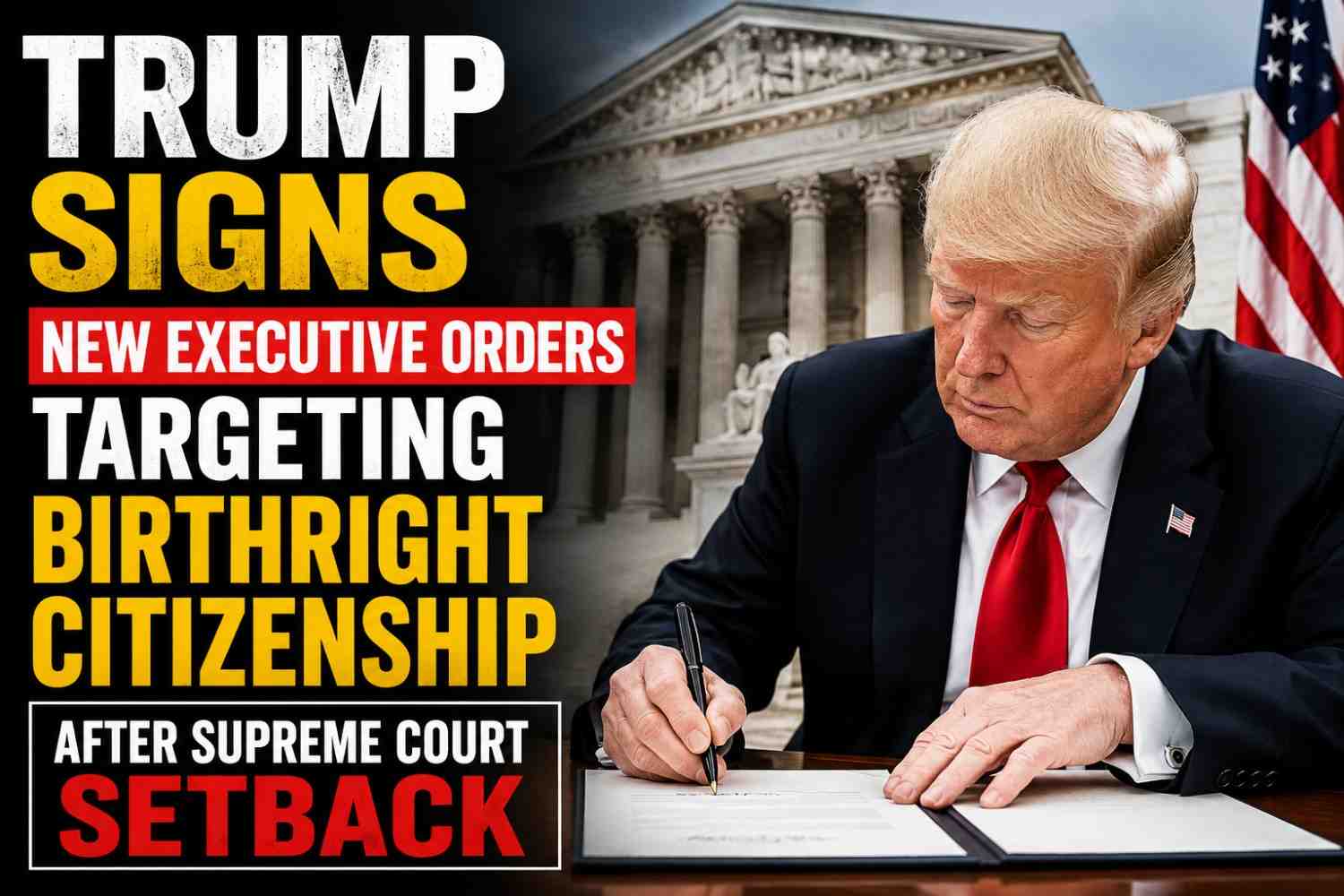
President Donald Trump has renewed his effort to reshape who automatically becomes a U.S. citizen at birth, signing two new executive orders from the Oval Office just weeks after the Supreme Court dealt his first attempt a decisive defeat.
The orders, signed last week, mark the administration’s second major push on the issue since Trump’s opening day in his second term, when he first tried to deny automatic citizenship to children born to parents who were undocumented or on temporary visas. That original order was struck down this summer when the Supreme Court ruled in Trump v. Barbara that the Constitution extends citizenship to children born on U.S. soil, reaffirming more than a century of legal precedent tied to the 14th Amendment.
What the New Orders Actually Do
Unlike the sweeping first attempt, the new pair of orders is considerably narrower — a deliberate response, officials say, to the boundaries set by the Supreme Court’s ruling.
The first order, titled “Continuing to Protect the Meaning and Value of American Citizenship,” directs federal agencies to withhold citizenship recognition in specific circumstances the administration describes as historical exceptions already acknowledged by the courts. That includes expanding the long-standing exception for children born to foreign diplomats, embassy staff, and consulate employees. The order also seeks to exclude children of individuals designated as “alien enemies,” people accused of attempting to “purchase” citizenship, and, in some cases, individuals born in certain U.S. territories.
The second order, “Ending Birth Tourism,” takes a different approach entirely. Rather than reinterpreting who qualifies for citizenship, it directs the State Department and Department of Homeland Security to tighten visa and entry screening for travelers suspected of coming to the United States specifically to give birth on American soil — a practice the administration has criticized for years but has struggled to meaningfully curb through policy alone.
The President’s Case
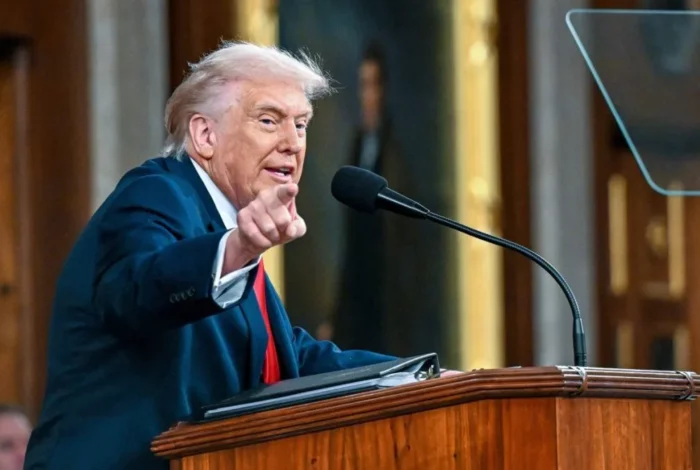
Speaking from the Oval Office during the signing, Trump argued the moves were necessary to protect what he called the integrity of American citizenship, describing past practices as an abuse of the immigration system. He expressed frustration with the Supreme Court’s June ruling, suggesting the justices had undermined the intent of the law, while insisting his new orders had been crafted with the ruling’s limits in mind.
Administration officials describe the orders as calibrated corrections rather than a renewed attempt to override the Constitution, emphasizing that they apply only to narrowly defined categories the courts have previously recognized as exceptions to automatic citizenship.
Civil Rights Groups Signal a Fight Ahead
Opponents were quick to reject that framing. The American Civil Liberties Union, which successfully argued against Trump’s original order before the Supreme Court, has already signaled it views the new orders as another unconstitutional attempt to rewrite settled law. Attorneys with the group’s Immigrants’ Rights Project argue that no executive order — however narrowly written — can alter what they describe as a clear constitutional guarantee, and have suggested the new measures are likely to meet the same fate as the last one in court.
A handful of Democratic lawmakers have also spoken out against the orders, echoing concerns that the administration is testing the limits of executive power on an issue the courts have already settled. Legal scholars note that while the new orders are more surgically targeted than their predecessor, they still venture into contested legal territory, particularly around the definition of who is “subject to the jurisdiction” of the United States — the constitutional phrase at the heart of birthright citizenship disputes for more than a century.
What Comes Next
Legal challenges are widely expected, though it remains unclear how quickly opponents will move to block the orders in court, or whether judges will view the narrower scope differently than they did the original 2025 order. Immigration attorneys are already advising affected families to seek legal counsel, particularly those connected to foreign government employment or recent travel tied to childbirth in the U.S.
For now, the orders stand as the latest chapter in a fight over the 14th Amendment that shows no sign of ending — one that is likely to keep courts, immigration advocates, and the White House locked in conflict for months to come. Next Artical .